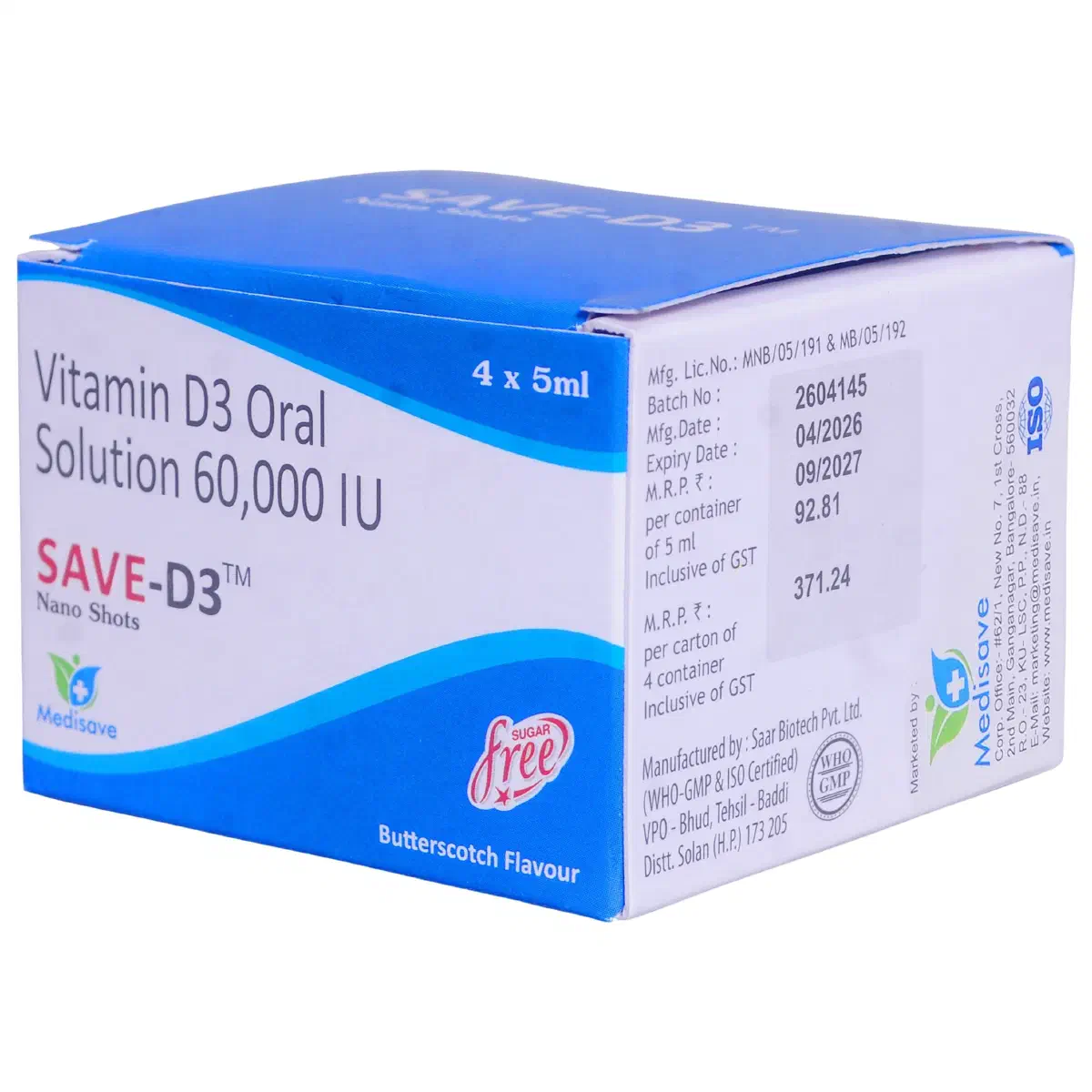
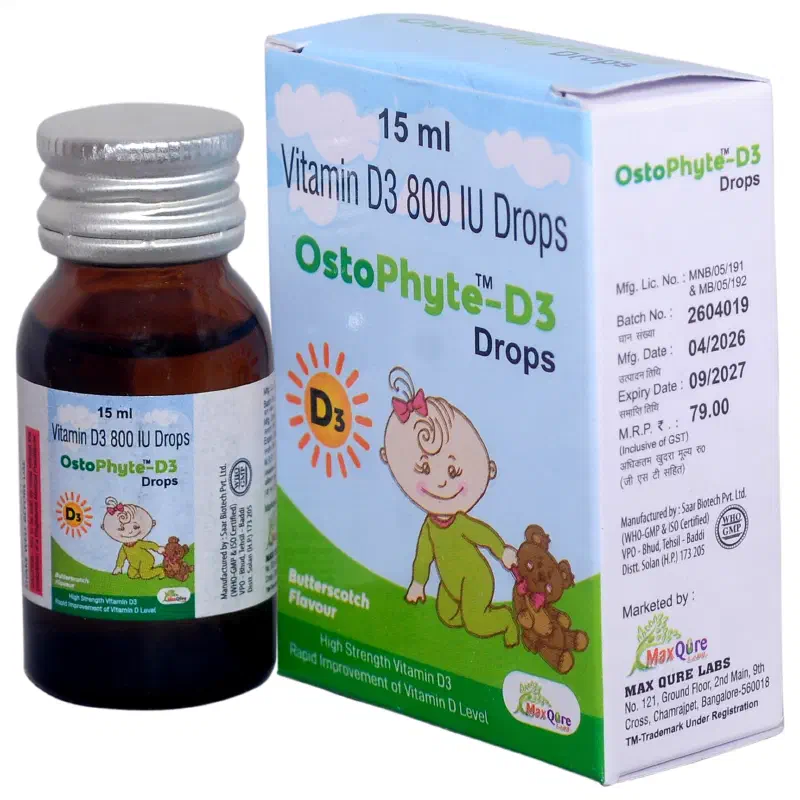
Oral drops are the dosage form where the margin for error is smallest. A 15ml bottle of infant Vitamin D3 drops contains 30 daily doses for a newborn — each dose measured not by a trained pharmacist but by a new parent, using a dropper, at 2am, in a dimly lit room. The formulation has to be right. The dropper has to deliver the right volume, every time. The label has to be clear enough that the right number of drops is actually measured.
This is why oral drops manufacturing has a set of quality parameters that don’t exist in any other liquid dosage form — and why choosing a manufacturer for your oral drops range requires asking specifically about dropper calibration validation, not just about whether they make liquids.
Building a paediatric oral portfolio?
Oral drops pair naturally with paediatric syrups and dry syrups. See our Paediatric Syrup Formulation Guide and Top 25 High-Demand Syrup Formulations for the broader portfolio context.
The Three Oral Drops Segments
Segment 1: Nutritional Supplement Drops (Vitamin D3, Multivitamins)
Clinical driver: Routine supplementation in infancy and early childhood — Vitamin D deficiency in Indian infants is well-documented, and the IAP recommends early supplementation. This is a prescribing-before-deficiency category — pediatricians write it prophylactically.
Repeat pattern: Monthly to bi-monthly refill prescriptions from birth through 2+ years. Very high repeat rate per physician-patient relationship.
Key formulation consideration: Vitamin D3 (Cholecalciferol) degrades under UV light and oxidation. Amber packaging, antioxidant excipients (Vitamin E), and nitrogen purging during fill are standard stability protections.
Segment 2: Anti-Colic and Gas Relief Drops
Clinical driver: Infant colic — crying episodes in the first 3 months of life associated with gas and GI discomfort — is one of the most common concerns that brings a parent to a paediatrician. Virtually every paediatrician has a go-to anti-colic product they write for.
Products in this segment:
- Plain Simethicone drops — anti-foaming, breaks down gas bubbles in the infant GI tract
- Dill Oil + Fennel Oil + Simethicone drops — combined herbal carminative + anti-foaming — the most popular format in Indian paediatric practice, preferred for its naturalness positioning with parents
- Colicaid-type combinations — established commercial formulations with multiple carminative actives
Repeat pattern: Prescribed at every paediatrician visit in the first 3 months. Parents often continue purchasing independently once they know the product works.
Segment 3: Digestive Enzyme Drops
Clinical driver: Digestive discomfort, bloating, and poor appetite in older infants and toddlers — typically 6 months to 3 years. Also prescribed for post-antibiotic digestive disturbance and weaning-associated GI issues.
Common formulations: Alpha-Amylase + Papain, Fungal Diastase + Pepsin, multi-enzyme combinations.

The Dropper: More Important Than You Think
The dropper is not a packaging convenience — it is a dose-measuring device. And like any medical device used in drug delivery, its performance must be validated.
What dropper calibration covers:
Dropper Calibration Validation (standard protocol):

Parameter: Volume per drop (µl/drop)
Method: Gravimetric — weigh 20 consecutive drops, divide by density
Conditions: Dropper held vertically; solution at 25°C ± 2°C
Acceptance criteria: [x] µl/drop ± [y]% (product-specific)

For Vitamin D3 at 400 IU/drop:
  If mean drop volume = 40 µl and concentration is 10,000 IU/ml:
  10,000 IU/ml × 0.040 ml/drop = 400 IU/drop ✓

What invalidates dropper calibration:
  - Different solution viscosity (recipe change)
  - Different dropper orifice size (supplier change)
  - Different dispensing angle specified by patient
  - Manufacturing variation in dropper tip dimensions
Pack Sizes and Packaging Specifications
| Product | Standard Pack | Dropper Type | Primary Material |
|---|---|---|---|
| Vitamin D3 drops | 15ml, 30ml | Calibrated tip dropper | Amber glass or amber PET |
| Simethicone/Anti-colic drops | 15ml | Rubber bulb dropper or tip dropper | Amber PET |
| Enzyme drops | 15ml, 30ml | Tip dropper | Amber PET |
| Multivitamin drops | 15ml, 30ml | Tip dropper | Amber PET |
| Paracetamol drops (older infants) | 15ml | Tip dropper or oral syringe | Amber PET |
Paediatric Drops MOQ and Ordering Economics
For validated oral drops formulations, indicative MOQs:
| Pack Size | Indicative MOQ | Notes |
|---|---|---|
| 15ml amber bottle | 1,000–2,000 units | Bottle and dropper component minimums |
| 30ml amber bottle | 1,000–2,000 units | Same setup economics as 15ml |
| 15ml amber glass | 2,000+ units | Glass procurement minimum typically higher |
The small unit volume of oral drops means a 2,000-unit batch is approximately 30–60 litres of fill volume — well within the capacity of a standard liquid manufacturing facility. The MOQ is driven by packaging component minimums, not fill volume.
Conclusion
Oral drops reward the brand that invests in dropper quality as seriously as formulation quality. A Vitamin D3 drops product that parents trust — amber bottle, easy dropper, consistent dose, pleasant dispensing — becomes a repeat prescription anchor in a paediatrician’s prescribing repertoire for years. The brands that get this right tend to keep the prescription without promotional reminder because the product works predictably.
Ready to launch your paediatric drops range?