MOQ — minimum order quantity — is one of the first numbers a brand owner asks about and one of the least understood. The question most brand owners ask is: “What’s your MOQ?” The question they should ask is: “What determines your MOQ for this specific product, and what would change it?”
The number is not arbitrary. It comes from the economics of the manufacturing process — batch tank minimums, packaging component vendor orders, QC cost allocation per batch, and equipment changeover efficiency. Understanding the economics lets you evaluate whether the quoted MOQ is genuinely a manufacturing floor or a negotiating position.
This guide maps the MOQ reality by dosage form — with indicative ranges, the primary driver behind each, and the most effective negotiation lever for first-batch planning.
Sending your first manufacturing enquiry? Read: How to Send a Manufacturing Enquiry That Gets You a Useful Quote · Product Launch Timeline — Quote to Dispatch
MOQ ranges in this guide are indicative based on typical industry economics at a GMP-compliant Indian CMO. Your specific MOQ depends on formulation, pack size, component specification, and manufacturer batch economics. Always confirm with your manufacturer.
MOQ by Dosage Form: The Reference Table
| Dosage Form | Typical MOQ Range | Primary MOQ Driver |
|---|---|---|
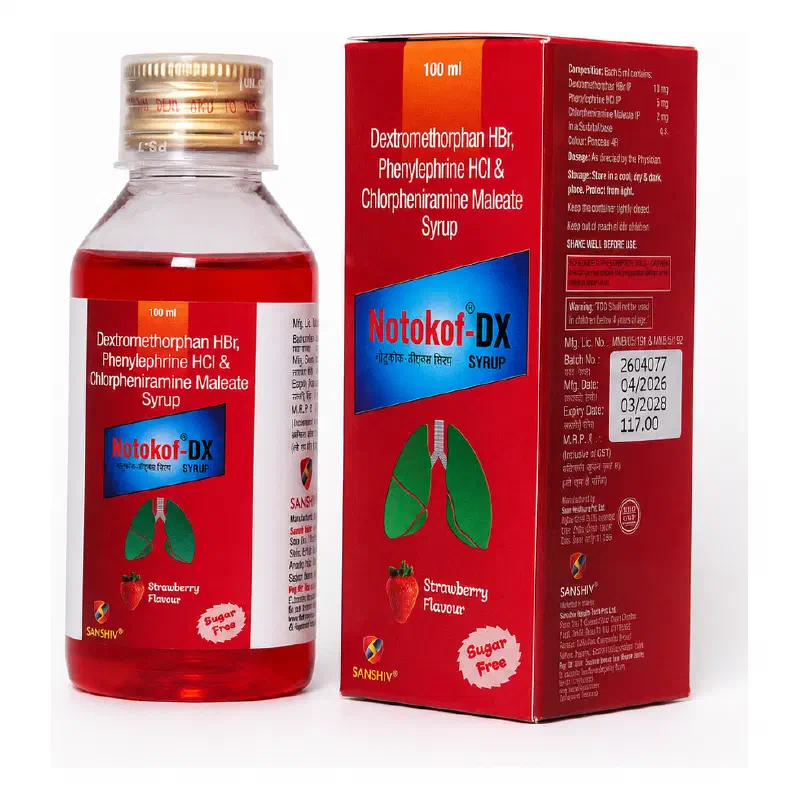
| Syrups, 60ml bottles | 500–1,000 units | Bottle procurement + batch tank minimum |
| Syrups, 100ml bottles | 500–1,000 units | Bottle procurement + batch tank minimum |
| Syrups, 200ml bottles | 500–1,000 units | Bottle procurement + batch tank minimum |
| Suspensions, 100–170ml | 500–1,500 units | Same as syrups; viscosity QC adds cost |
| Dry Syrups (antibiotic), 30ml | 1,000–2,000 units | Bottle + dropper + dual-chamber packaging |
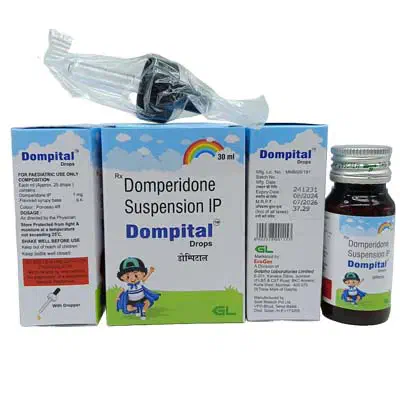
| Oral Drops, 15ml | 1,000–2,000 units | Dropper bottle procurement minimum |
| Nasal Sprays | 5,000–10,000 units | Pump actuator vendor minimum |
| Cream, 15g tube | 5,000–10,000 tubes | Laminate tube vendor minimum |
| Cream, 30g tube | 5,000–10,000 tubes | Laminate tube vendor minimum |
| Ointment, 15g tube | 5,000–10,000 tubes | Laminate tube vendor minimum |
| Gel, 30g tube | 5,000–10,000 tubes | Laminate tube vendor minimum |
| Lotion, 50ml bottle | 2,000–5,000 units | Bottle procurement + closure |
| Tablets, blister | 1,00,000–5,00,000 tablets | Blister tooling amortisation |
| Capsules, blister | 1,00,000–5,00,000 capsules | Capsule fill machine batch economics |
Understanding the Four MOQ Drivers
Driver 1: Batch Tank Minimum Volume
Manufacturing tanks are sized for efficiency at certain fill volumes. A 2,000L syrup manufacturing tank running a 50L batch is not economically rational — cleaning, setup, QA documentation, and equipment allocation cost the same whether the batch is 50L or 1,000L. Most manufacturers have a minimum efficient batch size of 100–200 litres for oral liquids, which translates to 500–1,000 units at 200ml fill or 1,000–2,000 units at 100ml fill.
Driver 2: Packaging Component Vendor Minimums
The nasal spray problem: Pump actuators are precision-manufactured in high-volume injection moulding runs. Most pump vendors will not sell fewer than 5,000–10,000 units per configuration. If you need 1,000 nasal spray bottles, you still buy 5,000 pump actuators — you carry 4,000 units of packaging inventory until the next batch.
The tube problem: Laminate tubes are custom-printed per product. Tube vendors run minimum printing batches of 5,000–10,000 units. Below this quantity, the printing setup cost per tube is prohibitive.
The dropper problem: Calibrated dropper tips for oral drops have vendor minimums of 1,000–2,000 units for most configurations — which sets the floor for drops product MOQs.
Driver 3: QC Testing Cost Per Batch
Every batch requires a full QC panel regardless of size — HPLC assay, microbial limits, fill volume, appearance. These costs are fixed per batch. On a 500-unit batch, QC testing might represent ₹20–30 per unit. On a 5,000-unit batch, the same QC cost is ₹2–3 per unit. This per-unit QC cost contribution is one reason manufacturers resist very small batches even when fill volume isn’t the constraint.
Driver 4: Changeover and Setup Cost
Equipment cleaning between products (changeover) costs the same regardless of the next batch size. For products requiring extensive cleaning validation (residue limits from a previous API), changeover costs are a significant fixed cost per batch. This discourages very small batches that would require a changeover for only a few hundred units.
The Pilot Batch Option: Lower Quantity, Different Economics
Some manufacturers — Saar Biotech among them — offer pilot or development batches for new formulations at lower quantities than commercial MOQ. These serve:
- Stability study initiation (samples for 3-month and 6-month stability timepoints)
- Regulatory filing (batch samples for drug license application)
- First physician sampling (limited quantity for prescriber evaluation before commercial launch)
Pilot batch pricing is typically higher per unit than commercial pricing (fixed costs over fewer units), and pilot batches may use development-scale equipment rather than commercial production tanks. Confirm whether your product qualifies for pilot batch production and how pilot batch data transfers to commercial scale documentation.
MOQ Planning for Your First Portfolio
If you’re launching a 5-SKU portfolio, MOQ considerations by product type:
TYPICAL FIRST-PORTFOLIO MOQ PLANNING

Product 1: Paracetamol 125mg/5ml suspension (60ml)
  → MOQ: 1,000 units | Fill: 60L | Manageable first batch

Product 2: Azithromycin 200mg/5ml dry syrup (30ml)
  → MOQ: 2,000 units | Bottle + dropper minimum | Plan for 2,000 units

Product 3: Sodium Alginate suspension (170ml)
  → MOQ: 1,000 units | Bottle procurement-driven | Manageable first batch

Product 4: Luliconazole 1% cream (15g tube)
  → MOQ: 5,000 tubes | Tube vendor minimum | Higher first-batch capital
  → [Consider: start with 15g format; tube MOQ same for 15g and 30g]

Product 5: Sodium Chloride Nasal Spray
  → MOQ: 5,000 units | Pump actuator minimum | Highest first-batch capital
  → [Consider: add nasal spray as second-phase product if capital is tight]
Conclusion
MOQ is a starting number, not a fixed limit. Understanding what drives it — batch tanks, component vendors, QC costs, changeover — lets you evaluate whether it can move and what lever is most likely to move it.
The standard advice: start with the dosage forms where MOQ is lowest (syrups, suspensions), build your physician relationships and distribution, then add topicals and nasal sprays in a second phase when working capital supports the higher packaging component minimums.
Ready to confirm MOQ for your specific product?