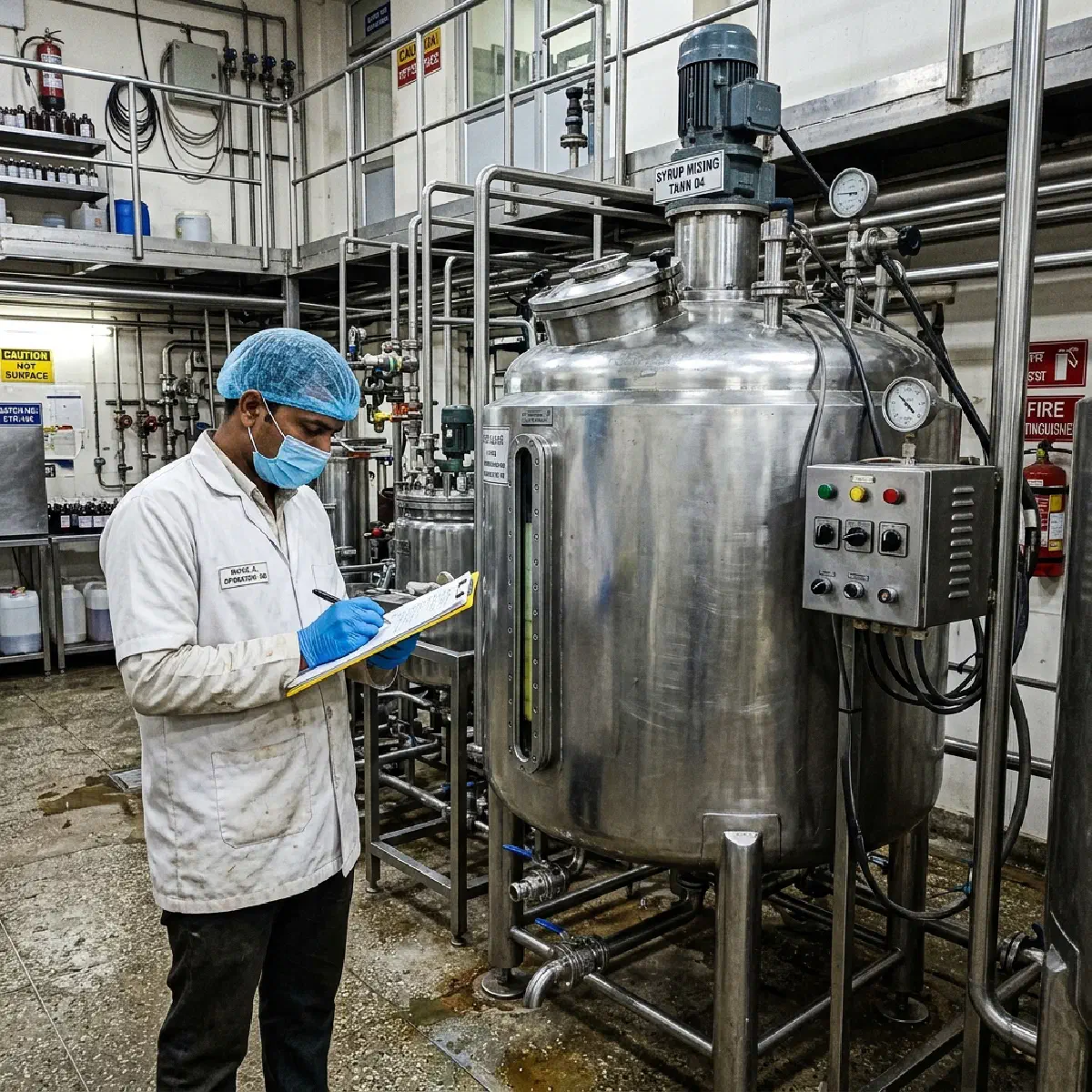
Building a pharmaceutical product portfolio without a reference list is like stocking a pharmacy without knowing what the local physicians prescribe. This guide gives you that reference — 25 high-demand syrup and suspension formulations, grouped by therapeutic category, with the commercial logic that makes each one worth considering.
Not every brand needs all 25. But knowing why each one moves — and which prescribing context drives it — helps you build the right 5–8 for your specific market, therapeutic focus, and distribution model.
Already building a portfolio? See our Best Products to Start a Pharma Marketing Company for a starter-kit approach, and our Complete TPM Guide for regulatory fundamentals.
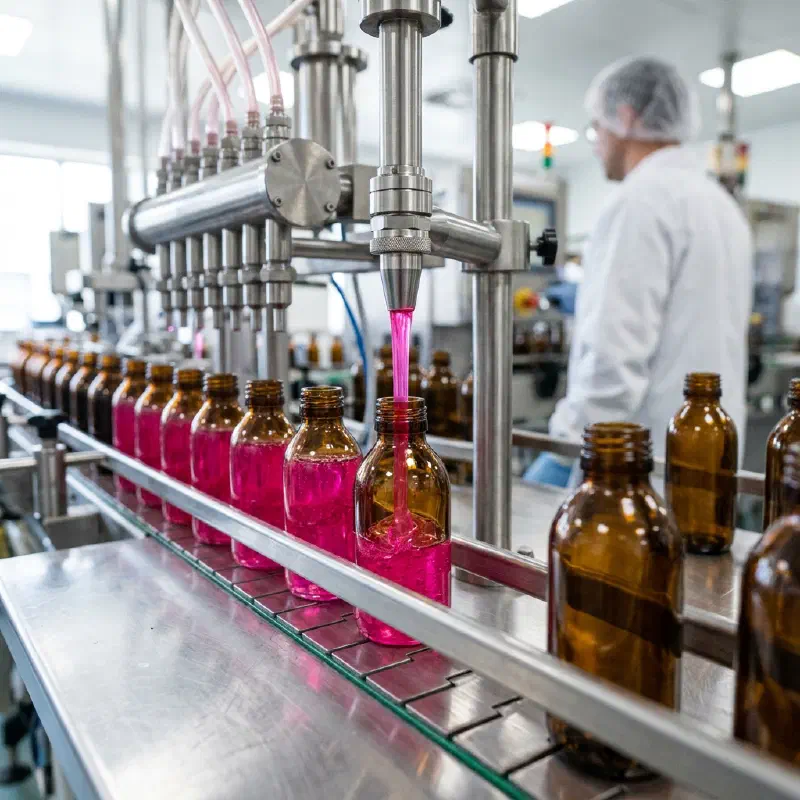
Category 1: Paediatric Fever & Pain (The High-Volume Foundation)
The paediatric fever category drives some of the highest prescription volumes in Indian outpatient practice. Every GP and paediatrician writes it multiple times daily.
| # | Formulation | Pack Size | Commercial Logic |
|---|---|---|---|
| 1 | Paracetamol 125mg/5ml Suspension | 60ml | The foundational paediatric product — universal GP and paediatrician prescribing, repeat purchase on every fever episode |
| 2 | Paracetamol 250mg/5ml Suspension | 60ml | Older children (6–12 years) — same high prescribing context, higher strength |
| 3 | Ibuprofen 100mg/5ml Suspension | 60ml | Alternative or combination prescribing with paracetamol for higher fever or pain-plus-fever presentations |
| 4 | Paracetamol + Phenylephrine + CPM Suspension | 60ml / 100ml | Fever with cold/nasal congestion — the highest-volume FDC in paediatric GP prescribing |
View Paracetamol Suspension · Paracetamol + Phenylephrine + CPM Suspension
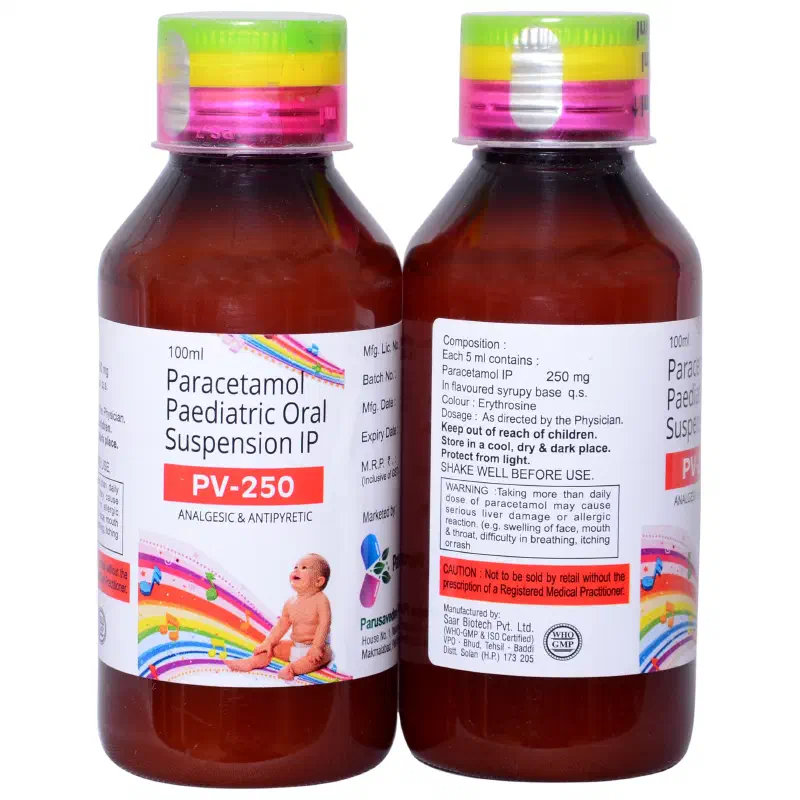
Category 2: Antibiotic Suspensions (High-Prescription, Brand-Differentiated)
Antibiotic suspensions are where brand quality becomes a prescribing decision — taste, redispersibility, and dose precision all affect the physician’s repeat behaviour.
| # | Formulation | Pack Size | Commercial Logic |
|---|---|---|---|
| 5 | Azithromycin 200mg/5ml Dry Syrup | 30ml | Most prescribed paediatric antibiotic — taste masking is the primary brand differentiator |
| 6 | Amoxicillin 125mg/5ml Dry Syrup | 60ml | First-line paediatric antibiotic for most GPs — high volume, accessibility-driven |
| 7 | Cefixime 50mg/5ml Dry Syrup | 30ml / 60ml | Second-line for resistant respiratory and UTI — growing prescribing in paediatric ENT and urology |
| 8 | Ofloxacin + Ornidazole Suspension | 60ml | GI infection, diarrhoea — high GI prescribing frequency, strong FDC approval track record |
View Azithromycin Oral Solution · Cefixime Oral Suspension · Ofloxacin + Ornidazole Suspension
Category 3: Gastro / Antacid Suspensions (Highest Repeat Rate)
Gastro suspensions have the highest repeat-prescription rate of any oral liquid category — chronic conditions drive monthly or bi-monthly returns to the same brand.
| # | Formulation | Pack Size | Commercial Logic |
|---|---|---|---|
| 9 | Sodium Alginate + NaHCO₃ + CaCO₃ Suspension | 170ml / 200ml | Raft-forming GERD treatment — mechanistically superior to standard antacids, explainable to patients |
| 10 | Sucralfate 1000mg + Oxetacaine Suspension | 170ml | Peptic ulcer — local anaesthetic for fast relief + mucosal protection; high repeat |
| 11 | Magaldrate + Simethicone Suspension | 170ml | General hyperacidity + bloating — broad GP antacid prescribing |
| 12 | Milk of Magnesia + Liquid Paraffin Suspension | 170ml | Constipation + antacid — elderly and obstetric prescribing, strong repeat |
View Sodium Alginate Suspension · Sucralfate + Oxetacaine · MOM + Liquid Paraffin
Category 4: Cough, Cold & Respiratory Syrups (Seasonal High-Volume)
Respiratory syrups have the highest volume in absolute units but the most concentrated seasonal demand. Strong seasonal planning determines whether a cough syrup brand is profitable.
| # | Formulation | Pack Size | Commercial Logic |
|---|---|---|---|
| 13 | Levosalbutamol + Ambroxol + Guaiphenesin Syrup | 60ml / 100ml | Bronchodilator + mucolytic — the highest-volume adult respiratory combination |
| 14 | DMP HBr + Cetirizine + Phenylephrine + Menthol Syrup | 100ml | Multi-symptom cold treatment — antitussive + antihistamine + decongestant |
| 15 | Diphenhydramine + Ammonium Chloride + Sodium Citrate + Menthol Syrup | 100ml | Sedating cough suppressant — night cough, high pharmacy turnover |
| 16 | Ambroxol + Dextromethorphan + Phenylephrine + CPM + Menthol Syrup | 60ml / 100ml | Paediatric multi-symptom cough + cold |
View Levosalbutamol + Ambroxol + Guaiphenesin · DMP + Cetirizine + Phenylephrine Syrup
Category 5: Appetite, Liver & Tonic Syrups (High GP Repeat)
Appetite stimulants and liver tonics are among the most consistently repeat-prescribed products in Indian GP practice — driven by chronic under-nutrition in children and by the habit of prescribing liver and appetite support across a range of GI complaints.
| # | Formulation | Pack Size | Commercial Logic |
|---|---|---|---|
| 17 | Cyproheptadine + Tricholine Citrate Syrup | 200ml | The dominant appetite stimulant — high paediatric prescribing, strong parent-recognised brand potential |
| 18 | Enzyme Syrup (Fungal Diastase + Pepsin + B-Complex) | 200ml | Digestive enzyme support — chronic GI complaints, elderly and paediatric prescribing |
| 19 | Tricholine Citrate Syrup | 200ml | Liver protective, fatty liver adjunct — growing prescribing in metabolic disease contexts |
View Cyproheptadine + Tricholine Citrate · Enzyme Syrup · Tricholine Citrate Syrup
Category 6: Allergy & Antihistamine Syrups
Allergy is a year-round prescribing category in India — seasonal peaks in spring and monsoon, but with chronic allergic rhinitis driving consistent year-round prescribing.
| # | Formulation | Pack Size | Commercial Logic |
|---|---|---|---|
| 20 | Levocetirizine 2.5mg/5ml Syrup | 60ml | Non-sedating antihistamine — paediatric and adult allergy, high-prescribing ENT and GP |
| 21 | Levocetirizine + Montelukast Syrup | 60ml | Allergic rhinitis + bronchospasm combination — growing prescribing in paediatric ENT |
| 22 | Cetirizine + Ambroxol Syrup | 60ml | Allergic cough combination — high GP prescribing for cough with allergic component |
View Levocetirizine + Montelukast · Cetirizine + Ambroxol
Category 7: Haematinics / Iron Syrups
Iron deficiency anaemia is endemic in India — ICMR data consistently shows high prevalence across women of reproductive age, children, and the elderly. Iron syrups are a high-volume, GP and gynaecologist-driven category.
| # | Formulation | Pack Size | Commercial Logic |
|---|---|---|---|
| 23 | Ferrous Ascorbate + Folic Acid Syrup | 200ml | The most commonly prescribed iron combination — GP, gynaecology, paediatric prescribing |
| 24 | Iron Hydroxide Polymaltose + Folic Acid Syrup | 200ml | Better GI tolerability than ferrous salts — growing prescribing where adherence is a concern |
View Ferrous Ascorbate + Folic Acid Syrup · Iron Hydroxide Polymaltose + Folic Acid
Category 8: Antispasmodic & GI Comfort Syrups
| # | Formulation | Pack Size | Commercial Logic |
|---|---|---|---|
| 25 | Dicyclomine + Paracetamol Suspension | 60ml | Abdominal colic + fever — high GP prescribing for children’s GI complaints |
View Dicyclomine + Paracetamol Suspension
Browse by Category
Explore the complete product catalogue by category:
Or contact us to discuss a portfolio brief — share your target specialty and geography, and we’ll recommend the formulations most likely to move in your specific market.